The Olympic Games are estimated to have started in the year 776 B.C. , and were held in Olympia, Greece to honour the god Zeus (Romano, n.d.). The games aimed to show the character and physical traits of those who participated, as well as being a social and cultural event (“Welcome to the…”, 2018).
Since the start of the Olympics, many things about the games have changed and evolved.
Events in The Ancient Olympic Games:
It is said that during the first Olympics, the only event was a 600 ft. race (Benagh, n.d.).
Over the years the Olympics evolved to include many more sports, but it took a long time for them to get to where they are today.
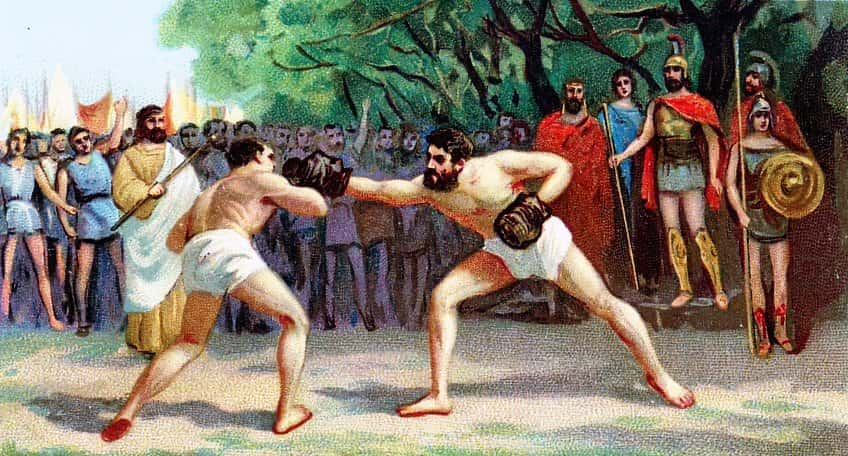
For many years the Olympics only included individual sports. Some of these sports were running, wrestling, boxing, and equestrian (“Factsheet…”, 2017). 


Modern Events:
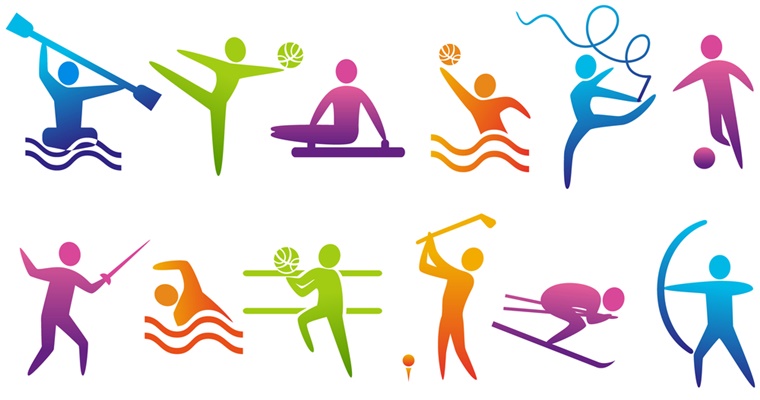
There are now 28 sports with 300 events in the summer Olympics, and 15 sports with 100 events in the winter Olympics (“Olympic sports”, 2018) . 

These events include sports such as cycling. canoeing, fencing, soccer, and gymnastics in the summer, and skiing, snowboarding, figure skating, and hockey in the winter as well as many more sports (“Olympic sports”, 2018).
Gender in the Olympic Games:
Back in the days of the Ancient Greece Olympics, in order to participate you had to be of Greek origin, freeborn, and male (“Factsheet…”, 2017).
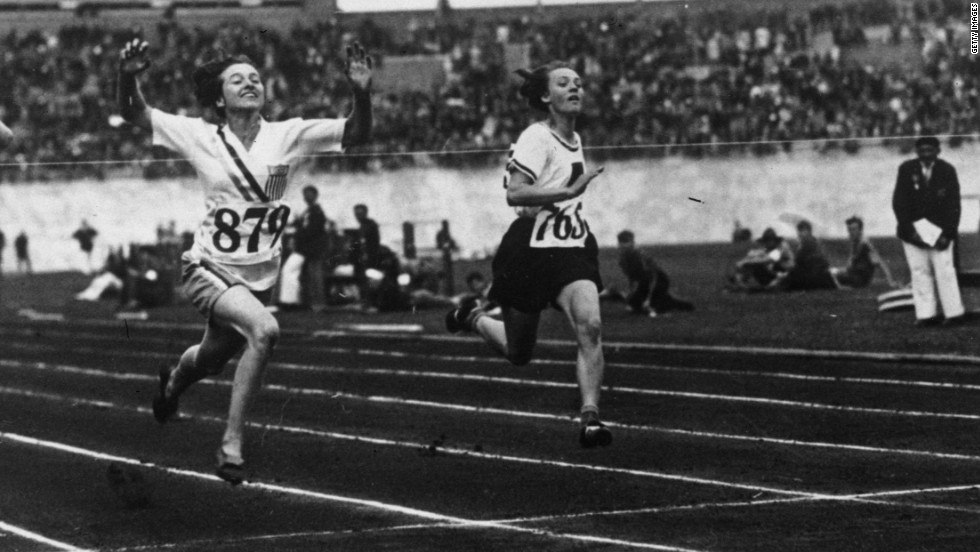
Although some of these rules changed quickly over time, it wasn’t until 1900 that women were allowed to participate in the Olympic Games (“Key dates…”, 2018). 

Winter & Summer Olympics:
Winter & Summer Olympics #2
When the winter Olympics were first established they were held in the same year as the summer games, meaning the Olympics were held every 4 years (Benagh, n.d.).
This continued until 1992 when they decided to hold them every 2 years, splitting up the summer and winter games. The 1994 Lillehammer, Norway games were the first winter games to be held independently from the summer games (Benagh, n.d.). 
Though many things about the Olympics have changed over the years, there has also been some continuity within the games.
Olympic Truce:
The Olympic truce was established in the days of the ancient Greek Olympics, dating back to the 9th century B.C. The truce was established so that athletes, families and ordinary pilgrims could travel safely to watch or participate in the games (“Olympic truce”, 2018).
The International Olympic Committee decided to revive the truce to protect the athletes and sport in general, and to encourage peaceful and diplomatic solutions to world conflicts (“Olympic truce”, 2018).
Olympic Values:
When the Olympics were revived in 1896, founder Pierre de Coubertin came up with the idea of “olympism”. He stated that olympism “is the belief in intensive willpower developed through the practice of virile sports, requiring good health and a sense of civic duty and enveloped in art and thought”. Coubertin thought that the Olympics should have an educational purpose as well as being about the sports (Monnin, 2012) .
To this day, the International Olympic Committee still values Coubertin’s idea of “olympism” through their Olympic Values Education Program (OVEP). It is free and accessible source to learn about the values of sport and physical activity on health, enjoyment of life, and social interaction (“Olympic values…”, 2018) . 
The five key aspects that are taught and taken from Coubertin’s idea of “Olympism” are:
- experiencing the Joy of effort
- learning to Play Fair
- practicing Respect for oneself and others
- pursuit of Excellence
- living a Harmonious and Balanced Life of Body, Will and Mind
(“About OVEP”, 2018)